

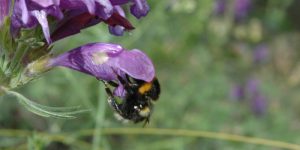
01. Biotic interactions
We focus on various plant-plant, plant-soil and plant-animal interactions. Plant-plant interactions include studies dealing with intraspecific and interspecific competition. Plant-soil interactions include studies of plant associations with arbuscular mycorrhizal fungi (AMF)...
read more...
02. Species adaptation to climate change
Climate change represents one of the greatest challenges for natural plant and animal populations. We study how the plants are able to face novel climatic conditions. We explore to what...
read more...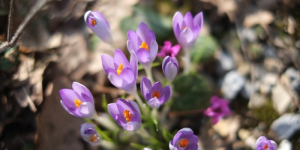
03. Ecological epigenetics
Group leader: Vít Latzel The phenotype and behaviour of plants can be significantly influenced by the environmental conditions encountered by their antecedent generations. These influences, known as transgenerational effects, could...
read more...
04. Conservation biology
Recent rapid extinction or decline of population size of many plant species is a major challenge of current ecology. Within our research we aim to tackle these threats by understanding...
read more...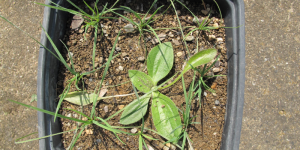
06. Plant species coexistence
Why some plant communities are locally more diverse than other communities of the same vegetation type or why local diversity changes in the face of global drivers remain central questions...
read more...
07. Ecology of polyploids
Understanding the consequences of polyploidization is a major step in the attempt to understand species diversification. Within our research we are primarily interested in the consequences of polyploidization for species...
read more...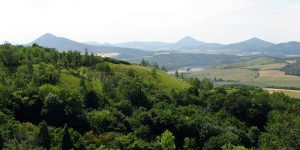
08. Landscape ecology
Plant populations only rarely evolve and exist independently of their surroundings and landscape context. We study patterns of species diversity and distribution in relation to landscape characteristics such as environmental...
read more...
09. Extant habitat types function as harbors of evolutionary heritage
Habitats within regions are important for the maintenance of past diversification of plants, possibly no less important than different climatic zones. By changing micro-climates and favoring strong competitors across a century,...
read more...