

06. Plant species coexistence
Projects:
Exploring plant species coexistence within the modern coexistence theory framework
An increasing attention has been paid to modern coexistence theory (MCT; Chesson 2000. AREES 31: 343–366) as a framework for predicting plant species coexistence. Under the MCT framework, whether competing...
read more...
Coexistence of competitors mediated by plant soil feedbacks
Soil organisms are increasingly considered to influence plant community dynamics and contribute to outcomes of plant-plant interactions. Plant-soil feedbacks (PSFs) indicate the ability of a species to modify soil abiotic...
read more...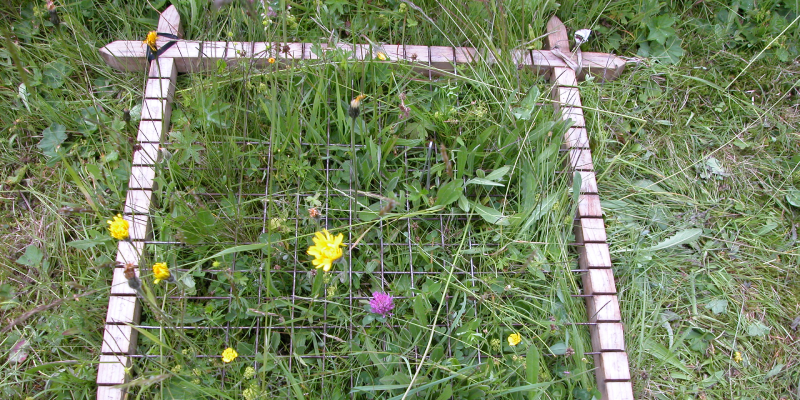
Coexistence in a temperate montane grassland: importance of interspecific trait differences and of environmental variation for plant species coexistence
Several current and former members of our research group have been involved in research of montane grassland dynamics in the Krkonoše Mts. Most of the grasslands in the Krkonoše were...
Tomáš Herben, František Krahulec, Věroslava Hadincová, Sylvie Pecháčková